2026 NS&B Students
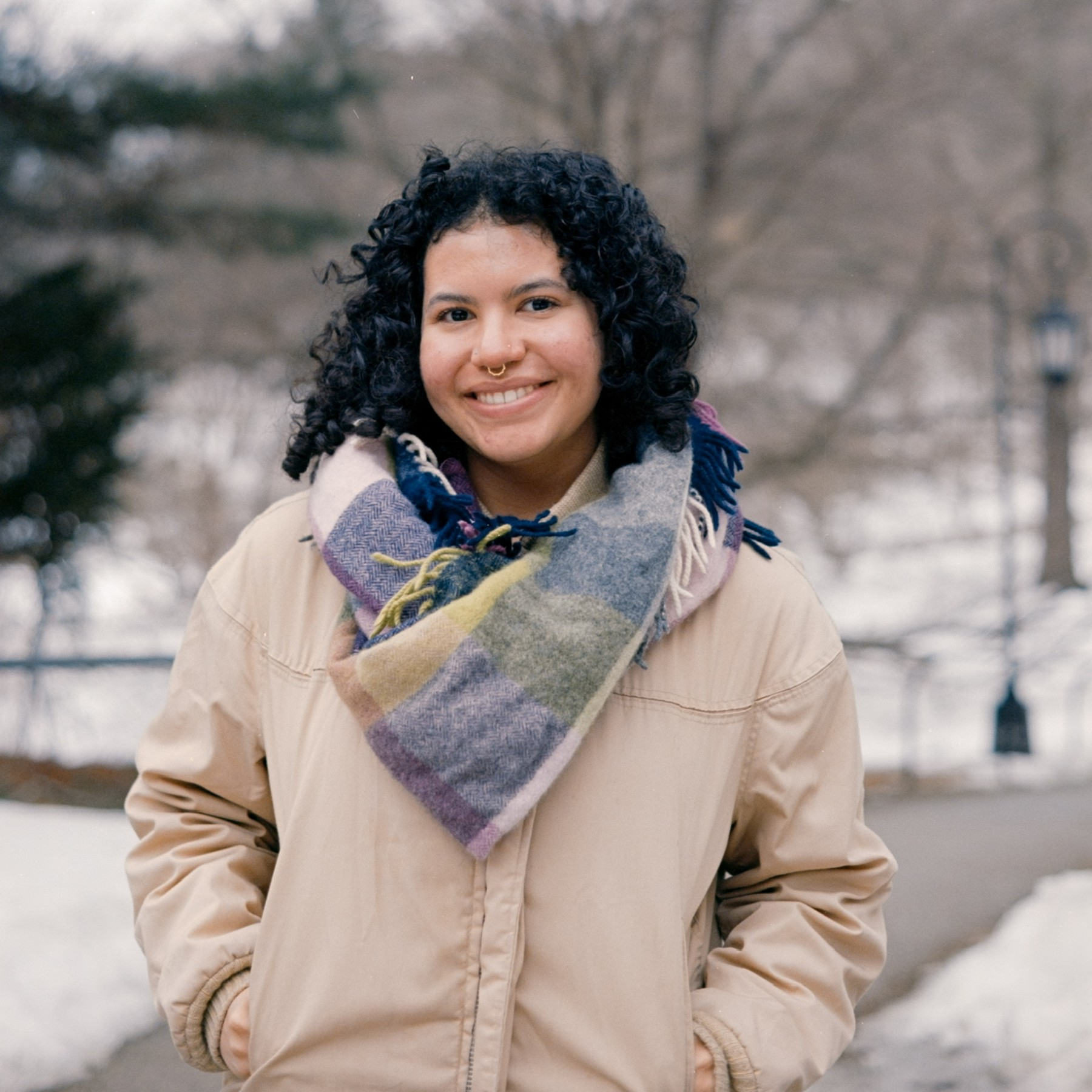
I'm a second year Ph.D student in the Remage-Healey lab at the University of Massachusetts: Amherst. I am interested in how sensory experiences modify neuronal properties and circuits. My research focuses on how developmental auditory experiences and learning affects the auditory forebrain of songbirds, mainly using electrophysiological and behavioral techniques.
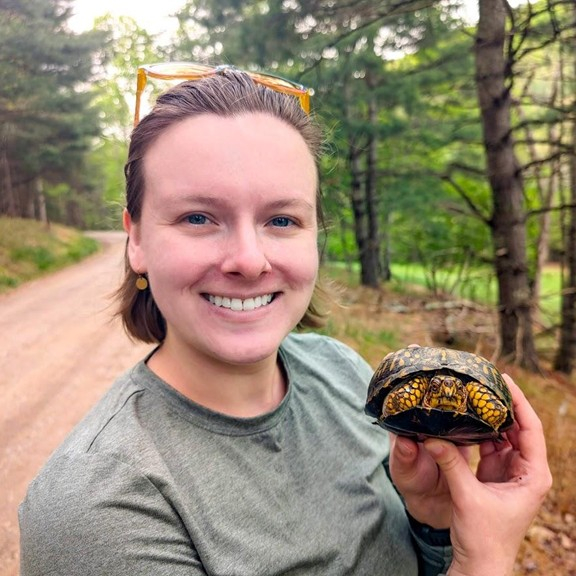
Olivia Brooks is an evolutionary ecologist currently working as a postdoctoral associate at Virginia Tech. She works mostly with poison frogs, but also other amphibians, to understand how the environment shapes parental care and chemical defense traits and the extent to which both of those traits are plastic. Her interest in poison frog ecology and evolution began as a master's student at John Carroll University where she examined maternal provisioning of chemical defenses in poison frogs. She then completed her PhD at Illinois State University studying plasticity in offspring begging behavior and parental care, also in poison frogs. Her current postdoctoral research is looking at the evolution of toxin resistance in amphibians.
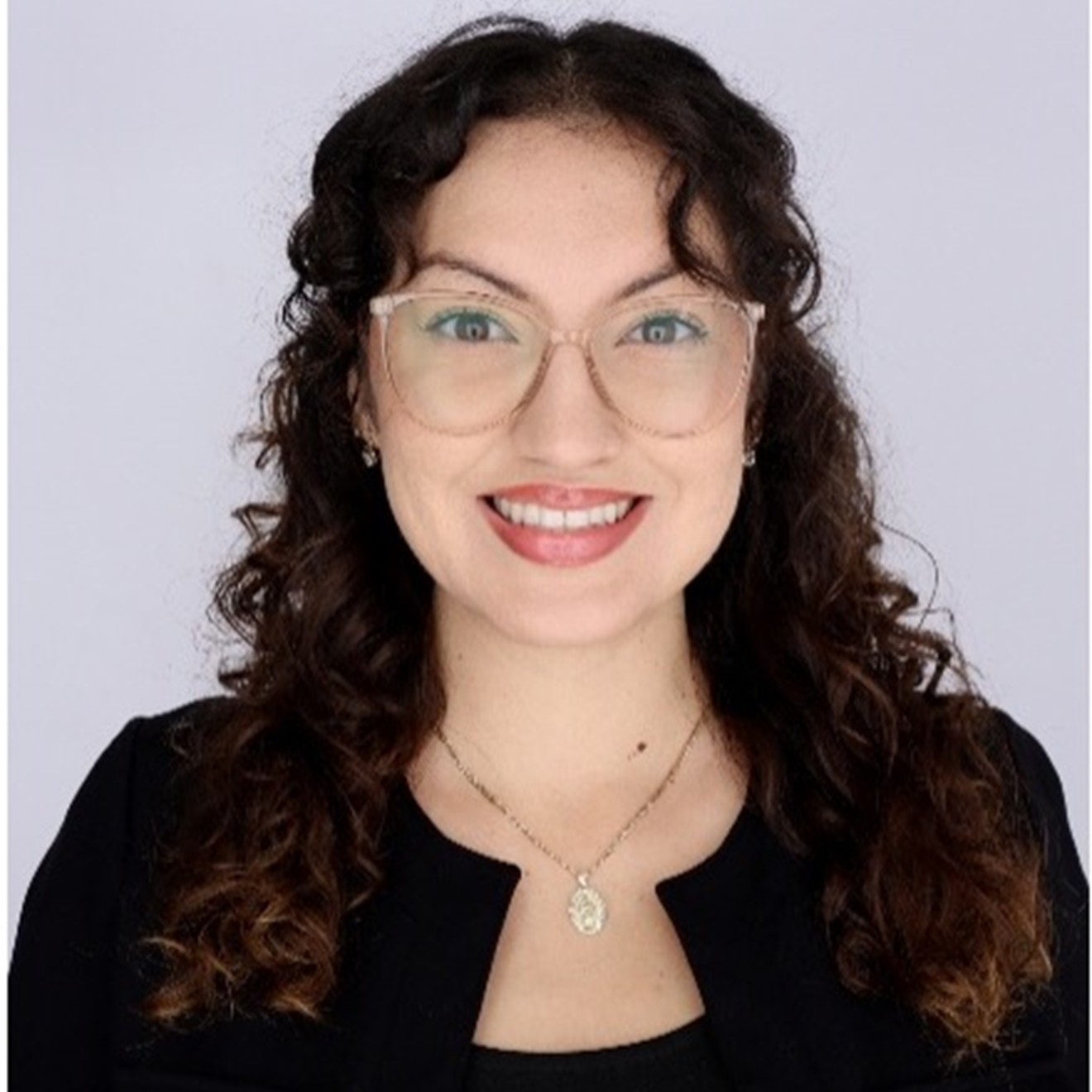
Monica is a Ph.D. candidate in Experimental Psychology with a concentration in Behavioral Neuroscience at the University of Memphis, where she conducts research in the Behavioral Toxicology Laboratory under the mentorship of Dr. Helen J.K. Sable. She earned dual B.A. degrees in Biological Psychology and Mathematics from California State University, San Bernardino. Her research focuses on how developmental exposure to cannabinoids alters brain reward systems and behavior across the lifespan.
Her dissertation examines how perinatal exposure to Δ9-THC disrupts dopamine signaling in the nucleus accumbens and impairs motivation-related behavior. Using fluorescence imaging, dopamine biosensors, and operant behavioral paradigms in rodents, Monica investigates the neurobiological mechanisms underlying altered reward processing and potential pharmacological interventions targeting cannabinoid CB1 receptors.
As a first-generation Latina scientist, Monica is passionate about increasing representation in neuroscience and mentoring students from historically excluded groups. Her long-term goal is to become a faculty researcher studying neural systems and behavior while continuing to mentor and support future scientists. Outside of research, Monica enjoys sewing, gardening, and cooking traditional Mexican dishes with her family.
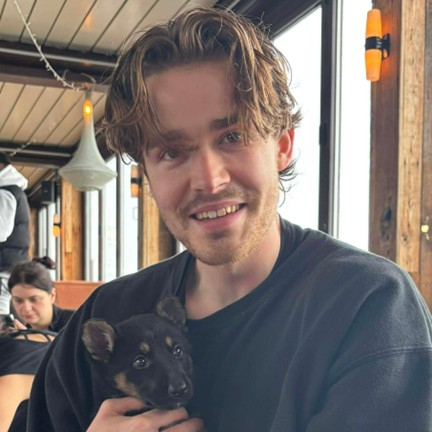
My background is in biochemistry and molecular biology. I previously worked as a research assistant investigating the molecular basis of Alzheimer's disease in Soyon Hong's lab at the UK Dementia Research Institute. I am currently a first-year PhD student at University College London in the labs of Pip Coen and Caswell Barry. I will be using electrophysiology, optogenetics, and multisensory VR to study how the hippocampus integrates auditory and visual information during behaviour.
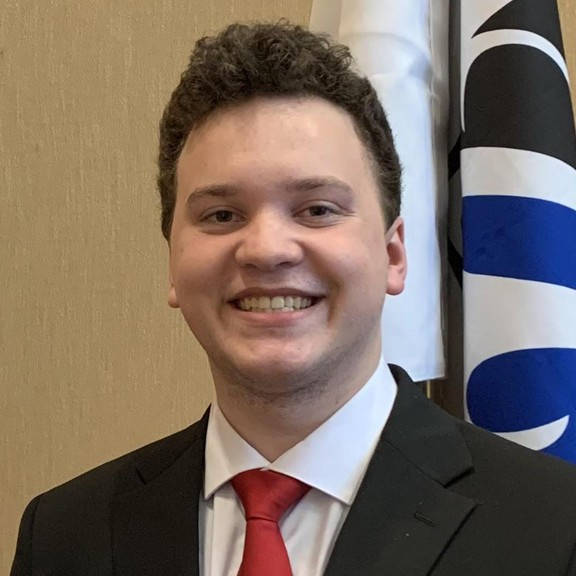
I am a first-year PhD student in Dr. Paul Katz's lab at UMass Amherst. Our lab investigates the structure and function of the nervous system in a nudibranch mollusc, Berghia stephanieae. My research uses volume electron microscopy to reconstruct neural circuits, or a connectome, within Berghia's olfactory processing region, the rhinophore ganglion. I am broadly interested in how these neural circuits are wired and how this leads to behavior. Outside the lab, I enjoy reading, cooking, and playing my guitar.
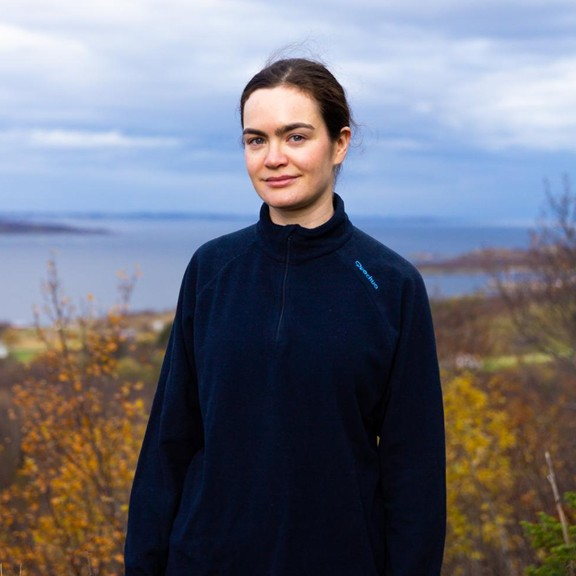
I am a PhD student in the Vogels Lab at the Institute of Science and Technology Austria (ISTA), where I use spiking neural networks to study synaptic plasticity. My current project focuses on how co-active, local plasticity rules across excitatory and inhibitory synapse types cooperate to stabilize recurrent networks and give rise to memory and other complex computations as emergent properties. Before joining the Vogels Lab, I completed my master's degree at the Bernstein Center for Computational Neuroscience (BCCN) Berlin, with my thesis in the Sweeney Lab at ISTA on quantifying the locomotor repertoire of Xenopus frogs during metamorphosis.
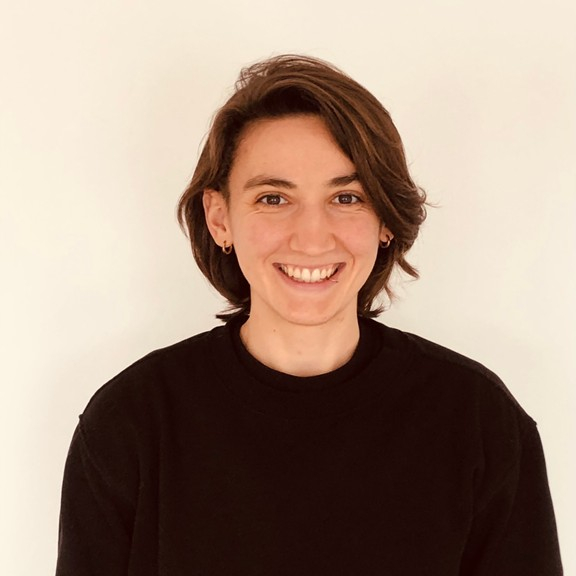
I’m a final-year medical student at the Julius Maximilian University of Wuerzburg in Germany. During my studies, I became fascinated by neuroscience and the way information is encoded and transmitted across scales, from systems neuroscience down to the level of individual receptors. For my MD thesis, I studied hippocampal connectivity and cognitive flexibility in the lab of Mona Garvert in Wuerzburg. Currently, I investigate the structural basis of human taste receptors in the lab of Joel Butterwick at Yale University. Outside the lab, I enjoy snowboarding and scuba diving.
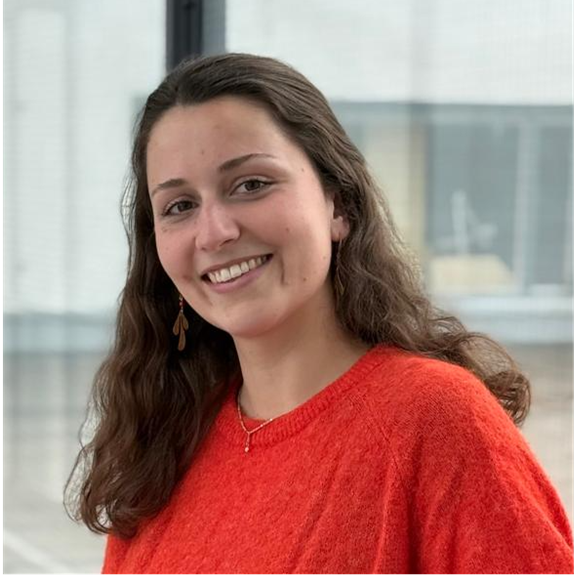
Using the unique straight-line orientation of the South African ball-rolling dung beetle, I investigate the neuronal basis of cue integration. To examine how celestial and wind cues are integrated into one coherent understanding of the beetle's environment, I combine behavioural experiments with extracellular tetrode recordings.
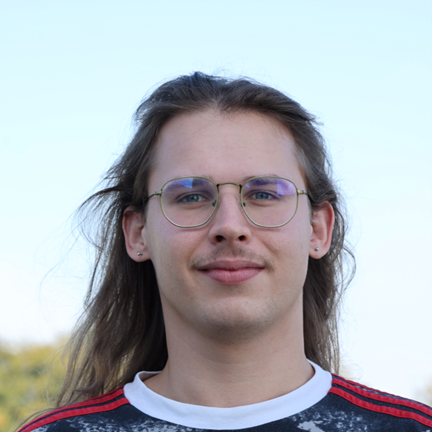
Florian is a PhD student in the Jefferis Lab at the MRC Laboratory of Molecular Biology in Cambridge, supported by a Boehringer Ingelheim Fonds Fellowship and an MRC Studentship. His research investigates contact chemosensation and the neural control of internal states in Drosophila, combining connectomics, 2-photon imaging, and VR-based behavioural setups. He completed his BSc and MSc in Biological Sciences at the University of Konstanz, working on hindbrain integrator circuits in zebrafish with the Bahl Lab and, earlier, on cichlid social behaviour with the Jordan Lab, including a stint of scientific diving on Lake Tanganyika in Zambia. Outside the lab, he makes ambient and synthesizer music on a modular synth.
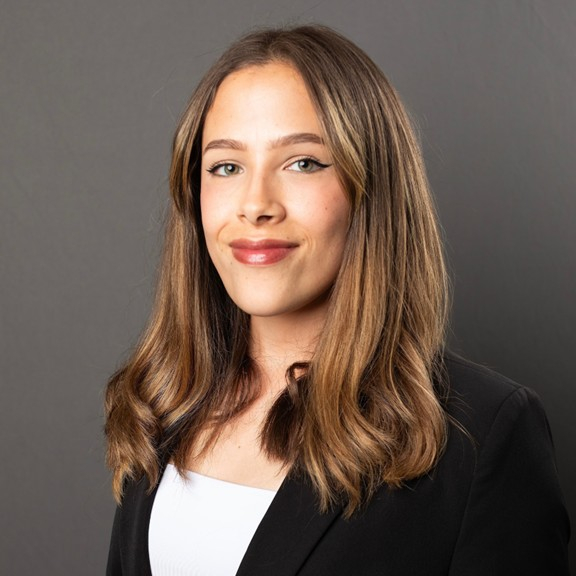
I am an international second-year PhD student from Mexico in Dr. Frank Duca’s lab at the University of Minnesota. My research focuses on the role of the gut-brain axis in regulating energy balance and feeding behavior, with a particular interest in the signaling pathways involved in nutrient-induced satiation. Outside of the lab, I enjoy working out and spending time with friends.
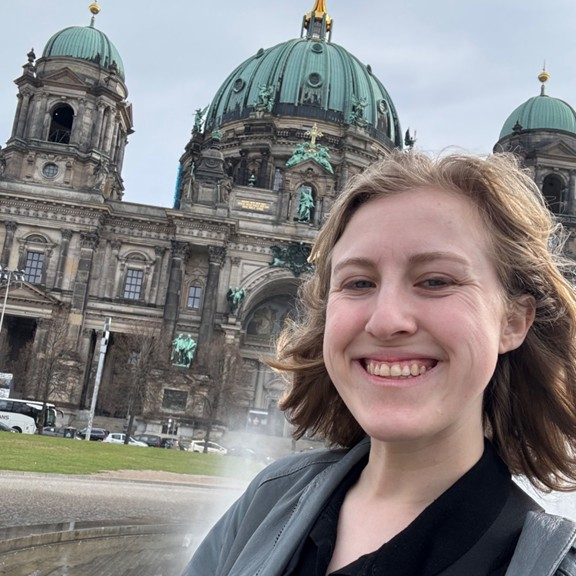
I am a first-year co-tutelle PhD student between the lab of Dr. Stefan Pulver at the University of St. Andrews and the lab of Dr. Michael Pankratz at the University of Bonn. I am interested in how sensory information is integrated to produce behavioral outputs, and how these processes are modulated by different neuropeptidergic signals. My PhD research focuses on the gut-brain axis within larval Drosophila and how internal signals can be integrated to alter metabolism and feeding behavior. Outside of the lab, I enjoy traveling, crocheting, reading, and going to new cafés.
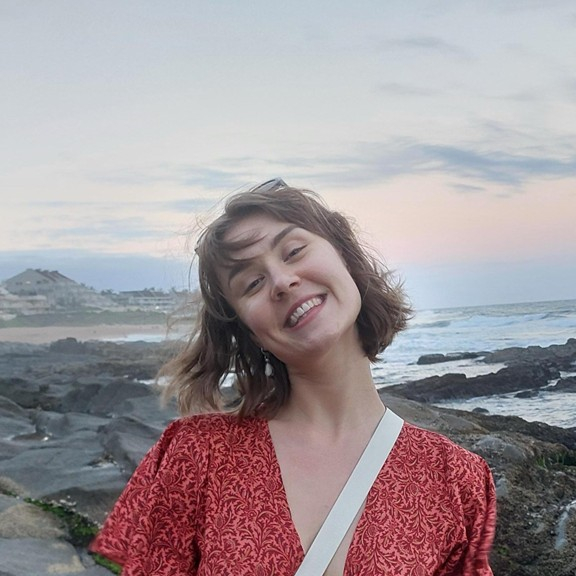
I am a PhD student at the MPI for Brain Research in Frankfurt, Germany. I am fascinated by how nervous systems evolved to drive behavior and allow animals to adapt dynamically to their environment. Currently, I am studying the brains of cuttlefish to understand the genetic and cellular complexity and how the cell types and circuits mediate complex behaviors like camouflage. In my free time, I love scuba diving, hiking and doing yoga.
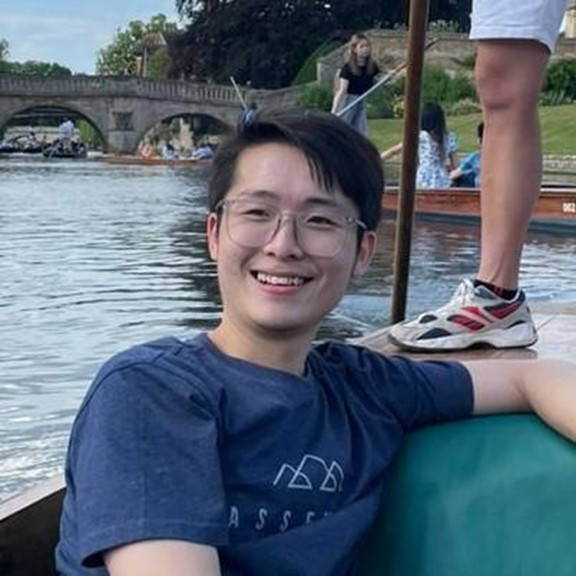
Towards the end of my undergraduate degree in biochemistry at Imperial College London, I became interested in how the complex interplay of molecules within neurons underlie organismal behaviours. I then took up a research assistantship in the IMAXT Laboratory at CRUK Cambridge Institute. There, I was part of a multidisciplinary team whose goal is to integrate different molecular profiling pipelines to build the first 3D tumour model with fully annotated cell types. In 2022, I steered back to neuroscience and began my PhD with Michael Hastings at the MRC Laboratory of Molecular Biology. My project studies the molecular neurobiology of tidal clocks in marine animals, using Parhyale hawaiensis as a model.
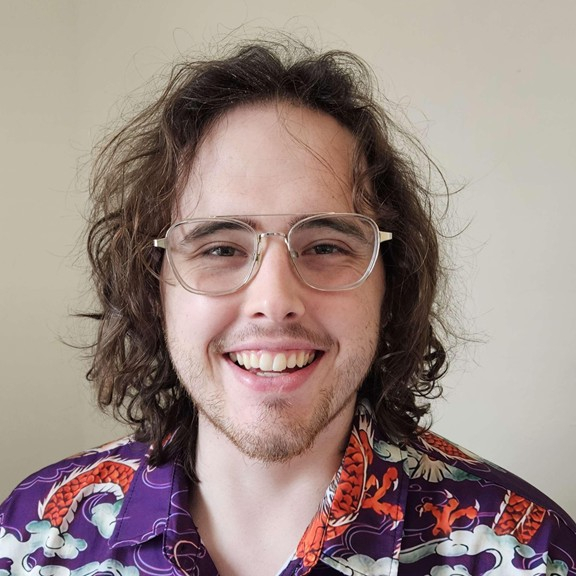
I am a first-year Phd student in Dr. Ilya Monsov’s lab at Johns Hopkins University. Broadly, I am interested in the ways the brain processes reward and how it enables intrinsically guided behavior. My goal is to understand the mechanisms supporting the adaptive strategies used by various organisms to optimize reward and resolve uncertainty.
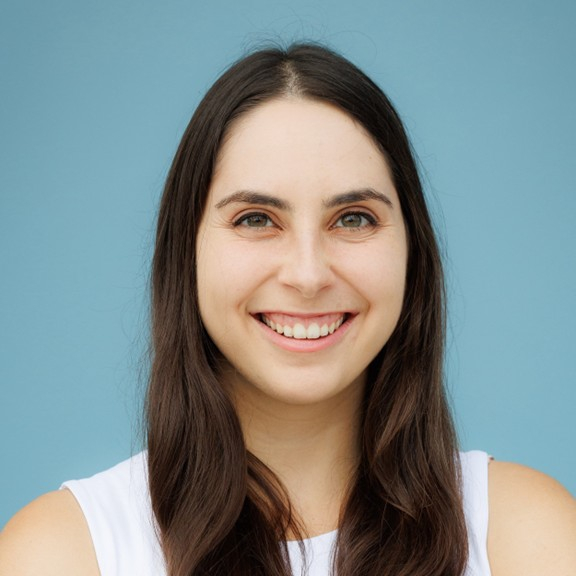
A Neurobiology and Behavior Ph.D. candidate with Dr. Ashok Litwin-Kumar at Columbia University’s Zuckerman Institute, Jasmine is interested in investigating biological algorithms for learning using computational models. She is also interested in developing new machine learning techniques using insights from this work. Her doctoral research focuses on how Drosophila fruit flies learn associations between odors and rewards, and the role of movement in dopaminergic learning. Before her Ph.D., she received a B.S. in Computer Science from Yale University where she worked with Dr. John Murray and an M.Phil. in Engineering at the University of Cambridge with Dr. Guillaume Hennequin. Outside of the lab, she enjoys swimming, swing dancing, and playing violin in a quartet.
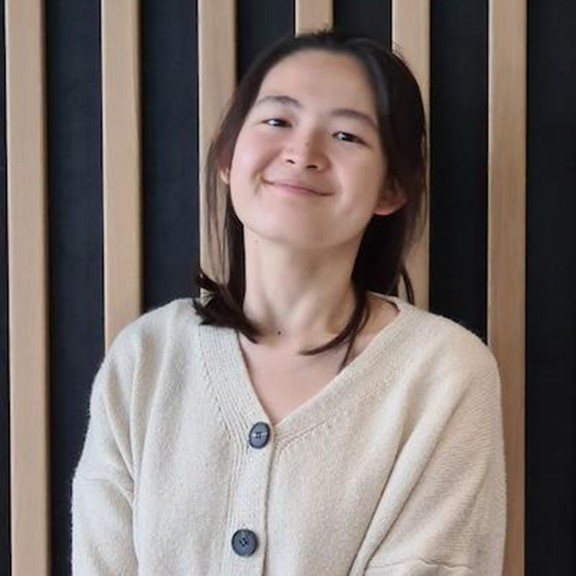
Sandra is a 3rd year DPhil student in Physiology, Anatomy and Genetics at the University of Oxford, under the supervision of Prof. Armin Lak. She previously worked in cellular and zebrafish models to investigate neurodegeneration and neurometabolism, and currently studies value-processing and learning in mice. Specifically, she is interested in how prefronto-striatal connections balance between flexible and stable representations during value remapping, to facilitate value-guided behavior. Through her research, Sandra hopes to help elucidate the principles behind learning and behavioural adaptation, to better understand how they may be disrupted in disorders.
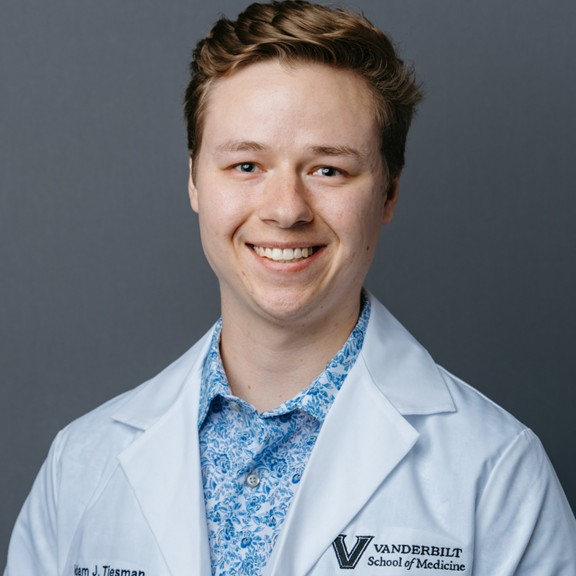
Adam is a Neuroscience PhD student at Vanderbilt University, working under the supervision of Drs. Mark T. Wallace and Ramnarayan Ramachandran. Originally from Washington, Illinois, he earned his B.A. in Neuroscience from Vanderbilt University, during which time he studied the recovery of contralesional movements after injury to the sensorimotor cortex. His current research focuses on the neural integration of sensory information to guide perception and behavior. Using humans and macaques as subjects, Adam investigates how auditory and visual information is combined to drive motion perception, and how these multisensory processes may be disrupted after hearing dysfunction. Outside of the lab, Adam enjoys rock climbing, board games, and a good cold brew.
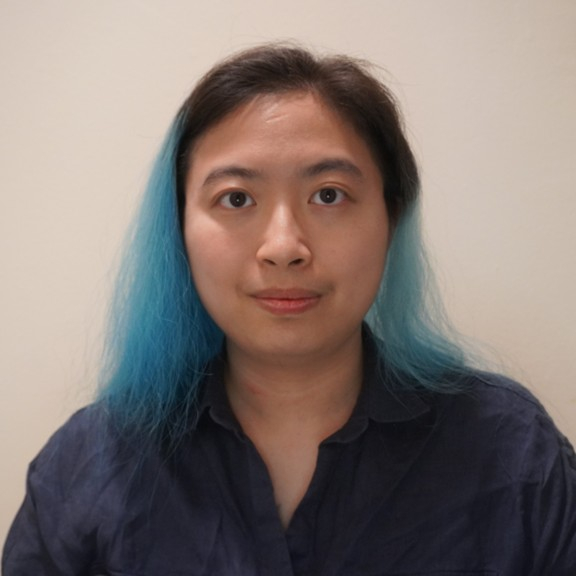
KT is a 4th Year MD-PhD Student from the Tri-I MD-PhD Program, based in New York City, NY. They are currently in the 2nd year of their Neuroscience PhD at Weill Cornell Graduate School and completing their thesis in the lab of Dr. Conor Liston. Their thesis project focuses on the modulation of stress states through pharmacological targeting of interneurons in the medial prefrontal cortex. Their clinical focus is in psychiatry and back home they help run a free mental health clinic for LGBTQ+ patients. Outside of science and medicine they like racquet sports, anime conventions, video editing, sci-fi, and making little zines.
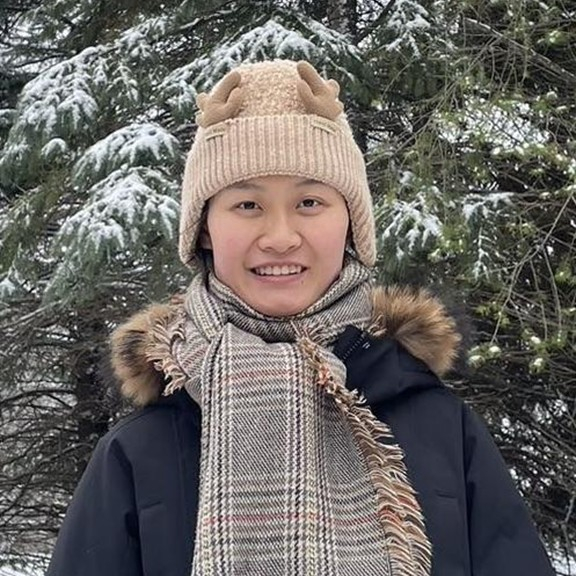
I am Ji, a fourth-year graduate student in the Marder Lab at Brandeis University. I study the neuromuscular system of the gastric mill in the crab Cancer borealis.
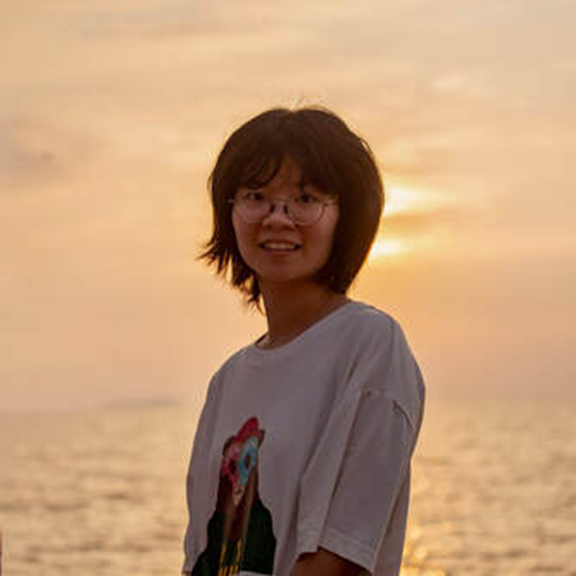
Shirui Zheng is a postdoc in the Department of Biology at Duke University studying neural circuit development in Drosophila embryos. Her research focuses on spontaneous synchronous network activity, neurotransmitter signaling, and calcium imaging approaches to understand how developing circuits emerge. She is interested in combining optogenetics, two-photon imaging, and behavior and computational analysis to study synchronous network activity.