A molecular quirk unique to octopuses makes them better at building proteins | Science
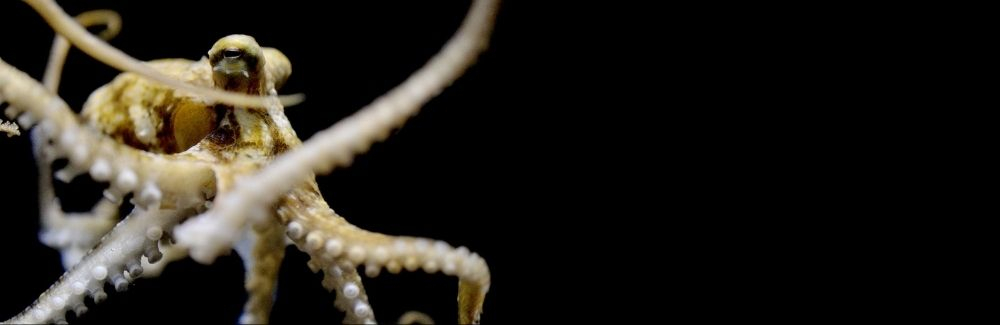
Editor's note: This article features insights from Joshua Rosenthal, a marine biologist at the Marine Biological Laboratory.
Octopuses are among the strangest creatures on Earth—right down to their molecules. A new study has found that octopuses of a certain lineage have a mutation not seen in any other organism that makes their cellular machinery extremely accurate at creating proteins. As a result, their proteins are less likely to form toxic clumps.
“This is very new and very exciting,” says Eve Seuntjens, a developmental neurobiologist at KU Leuven who was not involved in the research. The evolutionary innovation seems to have appeared around the same time that octopuses began rapidly developing large nervous systems and new, complex behaviors that require big brains—though Seuntjens and others point out there’s no direct evidence yet to suggest these developments are linked. The group’s findings were posted on 26 June on the preprint server bioRxiv and will be published in the journal Current Biology.
Read more of the article here.
Source: A molecular quirk unique to octopuses makes them better at building proteins