Mother’s age when she gives birth leaves a biological mark on future generations | Earth
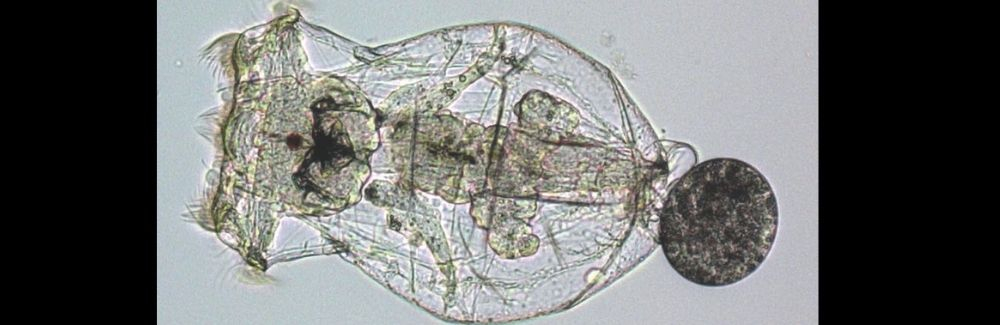
A mother passes more than DNA to her young. Her age when she reproduces can influence her offspring’s lifespan, reproductive timing, and number of young. Biologists call these patterns maternal age effects. They appear across the animal kingdom, but researchers still do not know exactly how age-related information passes between generations.
Kristin Gribble is an associate scientist at the Marine Biological Laboratory (MBL). “Maternal age effects are incredibly common, from invertebrates up through humans, elephants, other primates and other mammals,” Gribble said. “Nearly all forms of life show some level of maternal age effect, and most are negative effects caused by advanced maternal age.”
Gribble added that the pattern raises an important biological question.The team studied Brachionus manjavacas, a microscopic aquatic animal called a rotifer. Rotifers live for about one to four weeks and can reproduce without mating under certain conditions. Their short lifespans allow researchers to follow several generations quickly.
Across four generations, the team compared two genetic strains, BmanRUS and BmanL5, that carry different inherited versions of genes. The offspring came from mothers that were either three days old or 10 to 11 days old, forming the young- and old-mother groups.
Read more of the article here.
Source: Mother’s age when she gives birth leaves a biological mark on future generations | Earth