A sea star may be hiding an ancient secret about female reproduction | Earth
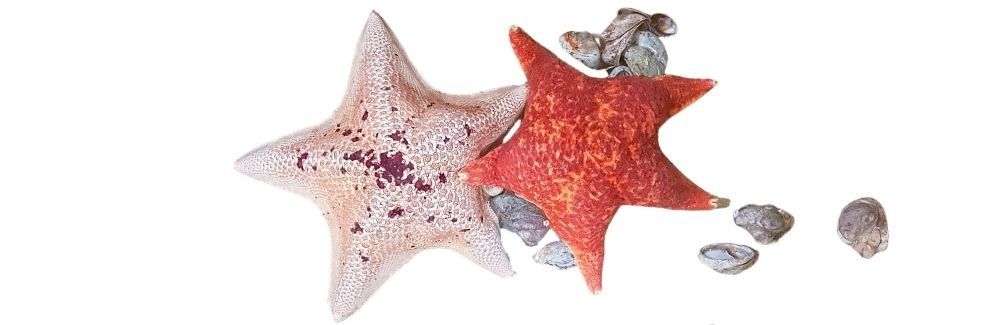
Reproductive biologists have a fairly solid understanding of what a human ovary does. It stores eggs made before birth, releases them gradually throughout a woman’s reproductive life, and eventually exhausts its supply. Sea stars don’t follow that playbook. A small Pacific species called the bat star produces fresh eggs its entire life.
Scientists who recently mapped its ovary cell by cell found cell types that looked unmistakably like our own. Buried inside was something that functions like a hormonal control center the ovary appears to run on its own.
The animal is the bat star, a Pacific sea star with the scientific name Patiria miniata. Unlike a woman, whose egg count only falls, it keeps making fresh eggs for its whole life. Sea stars and their close relatives the sea urchins are known for having remarkably long lives. One review documented some sea urchins living for more than a century while still reproducing.
The team was led by S. Zachary Swartz, a biologist who studies reproduction at the Marine Biological Laboratory (MBL) in Woods Hole, Massachusetts.