On the Cutting Edge of Organoid Research
Key Takeaways:
- Organoids are 3D structures made from stem cell cultures that are designed to closely model the architecture, gene expression, growth, and morphology of tissues and organs.
- Organoid models can provide efficient, clinically relevant results that can reduce the use of animal models.
Organoids are reshaping how modern biological science is done by offering another path to answers in the life science workflow, with distinct advantages that complement the already common use of cell cultures and animal models.
Organoids are 3D structures made from stem cell cultures that are designed to closely model the architecture, gene expression, growth, and morphology of tissues and organs. Unlike actual organs, organoids can be grown in suspension or embedded in matrices that enable scientists to more easily study complex biological processes in the lab.
Andrew Gillis, an associate scientist at the Marine Biological Laboratory whose lab works extensively with organoids, states “organoids combine the ease of cell culture with the structure and interactions of real tissues, getting you closer to a living organism without the added complexity.”
Because of these characteristics, organoids are increasingly recognized by regulators such as the FDA as relevant preclinical models. In human medicine, organoids offer a more relevant test platform with the potential to more accurately predict clinical outcomes, and organoids also offer drug developers important data that can reduce failure rates and animal studies. In addition, organoids present an ethical advantage, offering a relevant path to reduce the use of animal models.
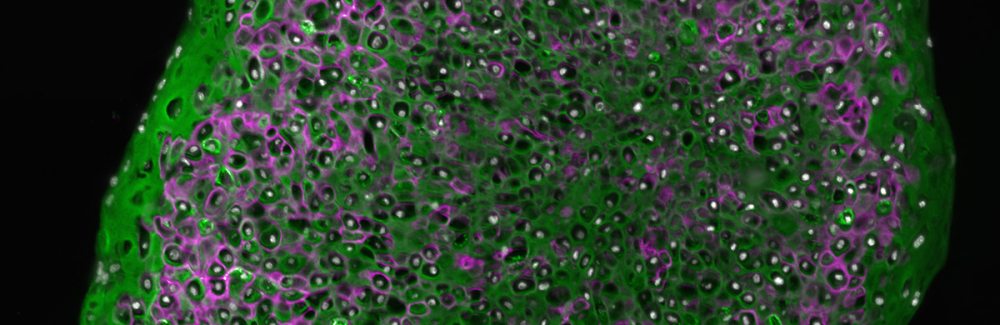
In the Gillis lab, studying cartilage via organoids is of great interest. “We're interested in looking at cartilage development and repair, and we use mouse bone marrow stromal cell derived organoids to do this. Bone marrow stromal cells are very clinically relevant, because they include skeletal stem cells that can make bone and cartilage during adulthood. Cartilage doesn’t heal well on its own, but bone marrow stromal cells could change that. These cells could be collected from a patient and engineered into cartilage to repair a joint injury.”
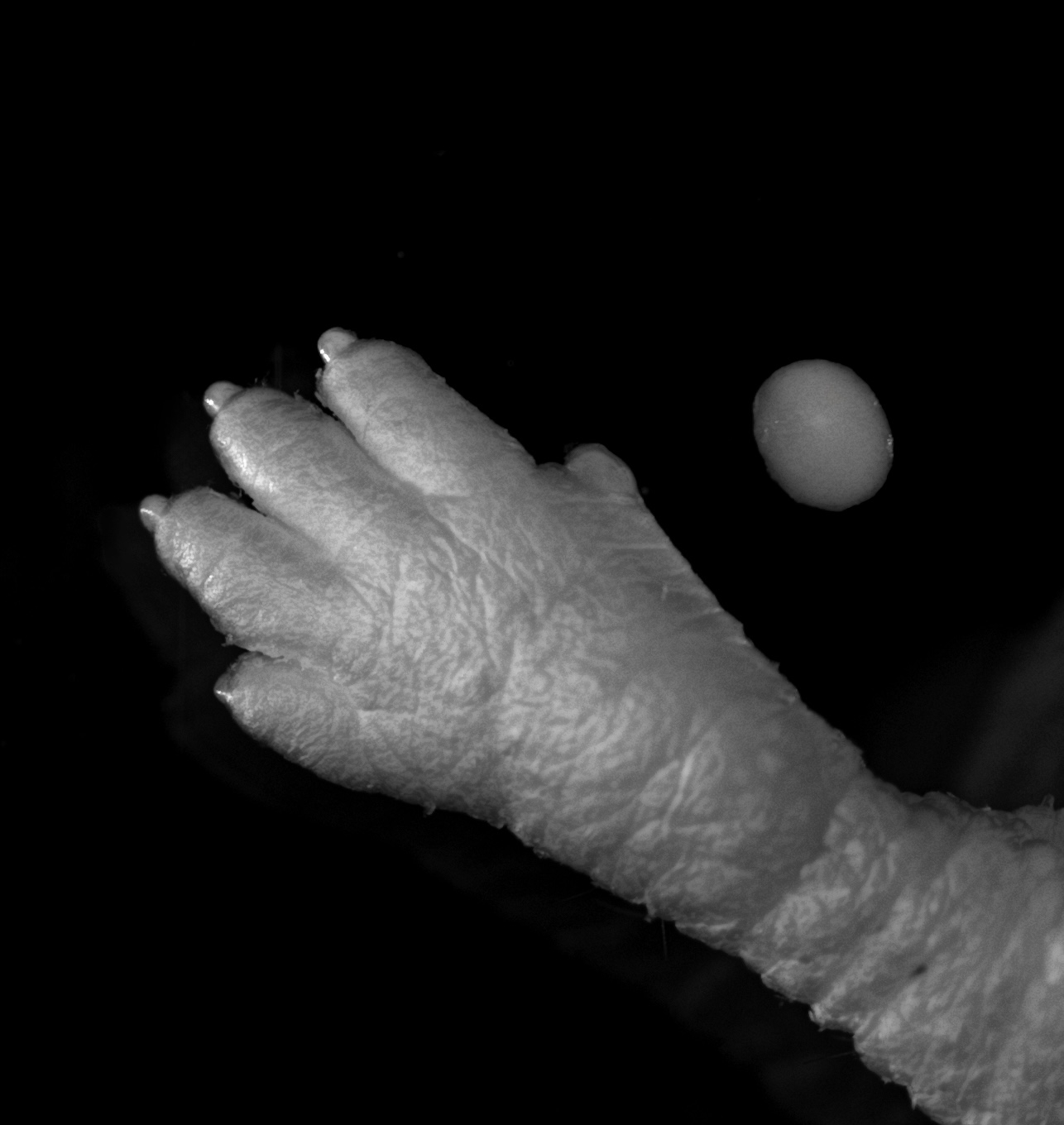
Gillis says the organoids used in his lab at the MBL “are little three-dimensional beads of cartilage that closely recapitulate the way this tissue exists in the body. This system offers us a way to test lots of different manipulations and see how they make the cells behave in a three-dimensional cartilage context. Having this kind of an organoid model is really useful because it allows us to test combinations of genomic edits more efficiently before we go on to see how they behave in human cells.”
Despite these advantages, organoid research is still in its developmental stages, as oftentimes, the techniques used to generate one type of organoid, like a cartilage organoid, are not readily transferable to developing another organoid system, such as a liver organoid. It can take a great deal of refining to arrive at an organoid that meets scientific rigor and accuracy to the tissue of interest. Once developed, however, organoid systems offer cutting edge insights.
Reference: Lou, Yan-Ru, and Alan W. Leung. “Next Generation Organoids for Biomedical Research and Applications.” Biotechnology Advances, vol. 36, no. 1, Jan. 2018, pp. 132–49. ScienceDirect, https://doi.org/10.1016/j.biotechadv.2017.10.005.